
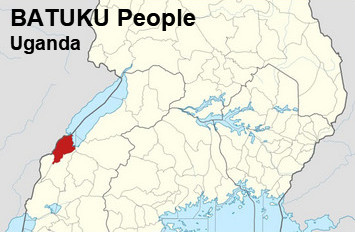
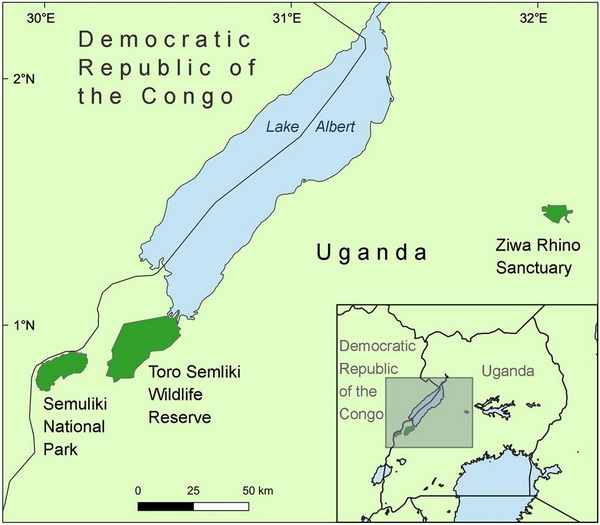
The Batuku live mainly in Ntoroko District, in western Uganda, along the Semliki River and Lake Albert, close to the border with the Democratic Republic of Congo. They occupy the plains north of Semliki National Park.
They are a relatively small community. The 2024 census figure reported by Minority Rights Group is 46,412 people, around 0.1% of Uganda's population. (Minorityrights.org).
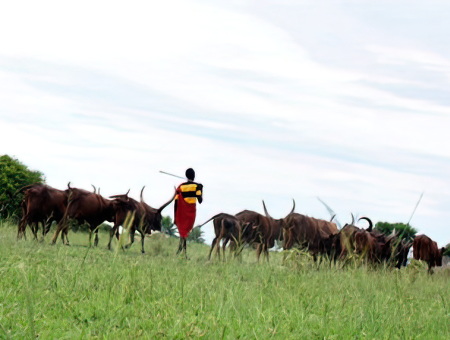
They are particularly associated with cattle pastoralism. Cattle and cattle products have traditionally been central to their economy. Their settlements are relatively dispersed across the Ntoroko plains. They also trade cattle and animal products with neighboring communities in Uganda and the DRC.
Batuku society is organized into clans, with individual clans having their own totems.
The Batuku are both cattle keepers, and fishing people. Their staple food is Milk called "Amata", and Millet called "Oburo" (which they get from the farming neighboring communities).
Their origins are explained through several oral traditions. One tradition connects them with Bunyoro-Kitara, while another associates part of their ancestry with Mwenge and eastern Congo. Another tradition identifies them as descendants of the Abarusura, the soldiers of the famous Bunyoro king Kabalega.
They have strong cultural connections with the Banyoro and Batooro. The Batuku participate in the Empaako naming tradition, together with the Batooro, Banyoro, Batagwenda and Banyabindi. UNESCO describes Empaako as a traditional system in which a person receives one of a set of praise/naming names in addition to their personal and family names.
The Batuku are concentrated in the Ntoroko area, on the Semliki plains between the Rwenzori region and Lake Albert, close to the Democratic Republic of Congo.
Their traditional economy reflects this environment: cattle keeping is especially important, while fishing and small-scale agriculture and commerce are also practiced.
Cattle have traditionally been at the centre of Batuku life. They provide:
Fishing is also significant because of their proximity to Lake Albert.
Batuku society is organized through clans and extended families. Clan identity remains important for social relationships and marriage.
The clans hold gatherings known as ekoomi y'Abatuku, where cultural knowledge is transmitted to younger generations. These gatherings can include traditional food, clothing, drinks and discussions about marriage and relations between clans.
Traditional Batuku clothing has included the lesu, a colourful piece of cloth, and barkcloth.
Barkcloth has had ceremonial importance and could be associated with occasions such as marriage and funerals. Some descriptions of Batuku traditional dress show men wearing cloth over the body or shoulder and women wrapping cloth around the waist.
Millet flour is used to make millet bread which is eaten with "Enchu" (fish). Beef is only eaten when a cow is injured or when it gets stranded in a ditch, otherwise they do not slaughter their cows for meat. They also eat bananas, sweet potatoes, beans, and other vegetables which they get from their farming neighbors like the Baamba-Babwisi tribes. Their land is not suitable for farming because it has a lot of salt content. Their traditional drink is called "Obugeme", made out of wild coconuts.
One particularly interesting Batuku dance is Eliba.
It is a communal dance involving men and women, accompanied by drums and other traditional instruments. It is associated with celebration, happiness, gratitude and community solidarity.
It is worth distinguishing this from the better-known Runyege-Ntogoro traditions of the wider Tooro cultural area.
Today, many Batuku are Christian, although elements of traditional religious beliefs have survived. Some people continue to maintain connections with traditional practices alongside Christianity.
Marriage is traditionally strongly connected with clan relationships and cattle. Because clans regulate relationships between families, marriage is not simply an arrangement between two individuals but involves their wider families and social networks.
The importance of cattle means that livestock can have a role in marriage exchanges and establishing relationships between families.
This is probably the most important Batuku tradition that has received international recognition.
The Batuku participate in the Empaako tradition together with the Batooro, Banyoro, Batagwenda and Banyabindi. It was inscribed by UNESCO in 2013 on the List of Intangible Cultural Heritage in Need of Urgent Safeguarding.
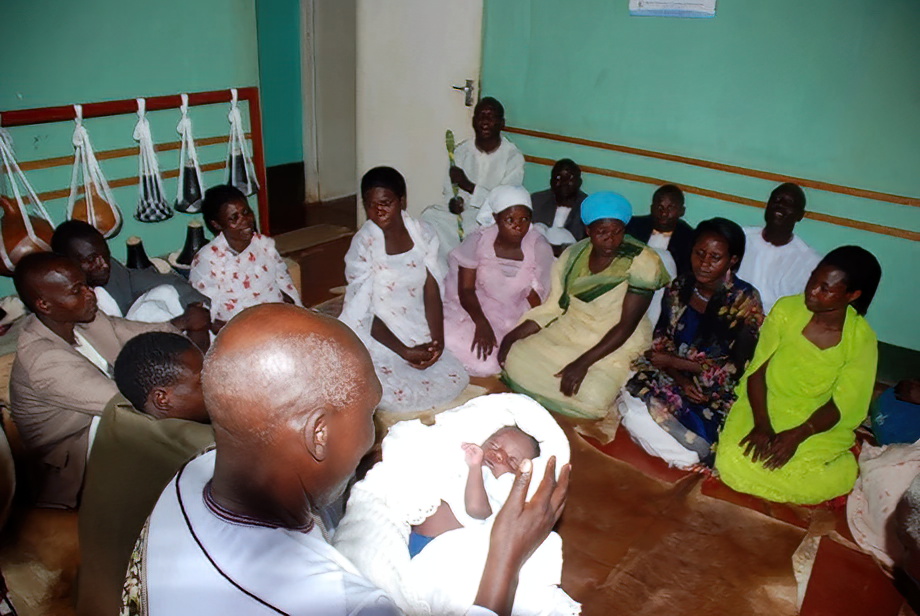
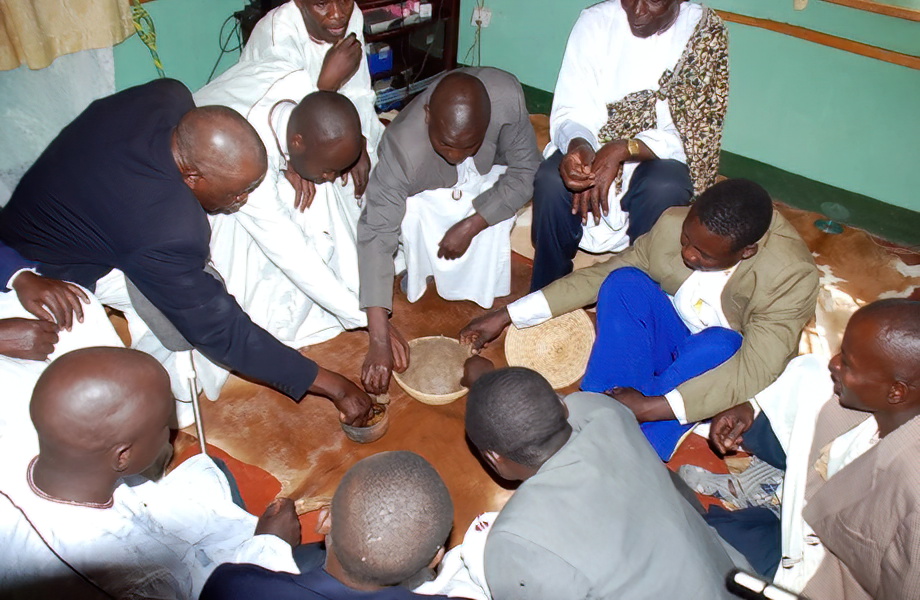
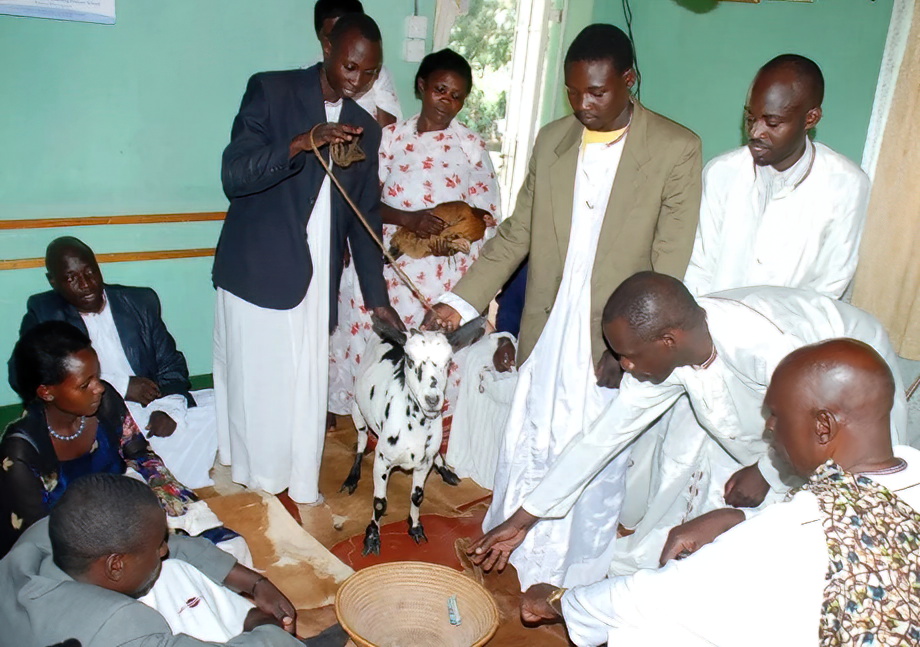
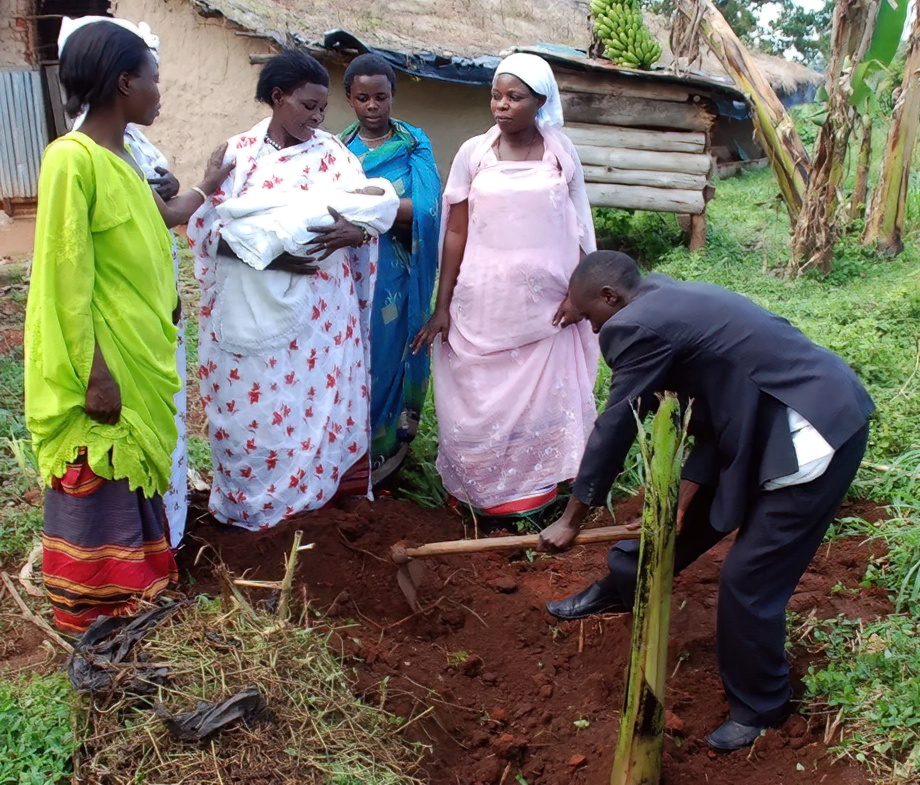
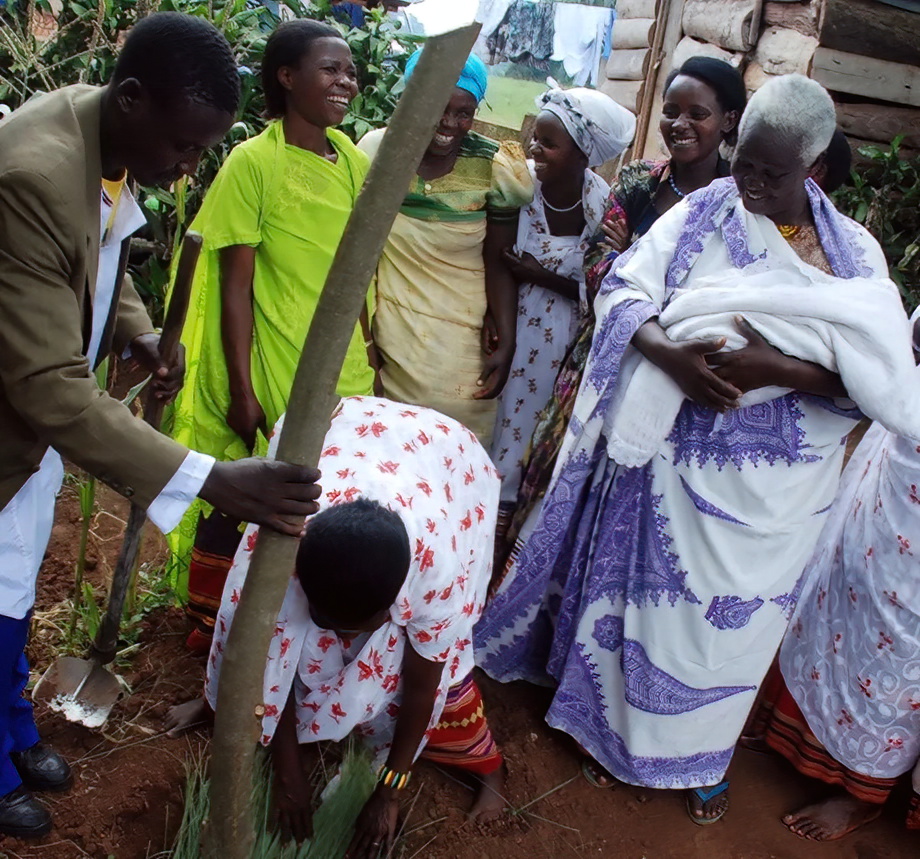
A child receives an Empaako praise/name in addition to their personal and family names. The ceremony is traditionally presided over by the clan head.
The paternal aunts examine the baby and look for similarities with relatives. The clan head then announces the Empaako name. Traditionally this is followed by a communal meal including millet and smoked beef, gifts for the child and the planting of a tree.
The name is subsequently used as a respectful form of address and can express affection, respect, honour, friendship and social solidarity.
Sources: